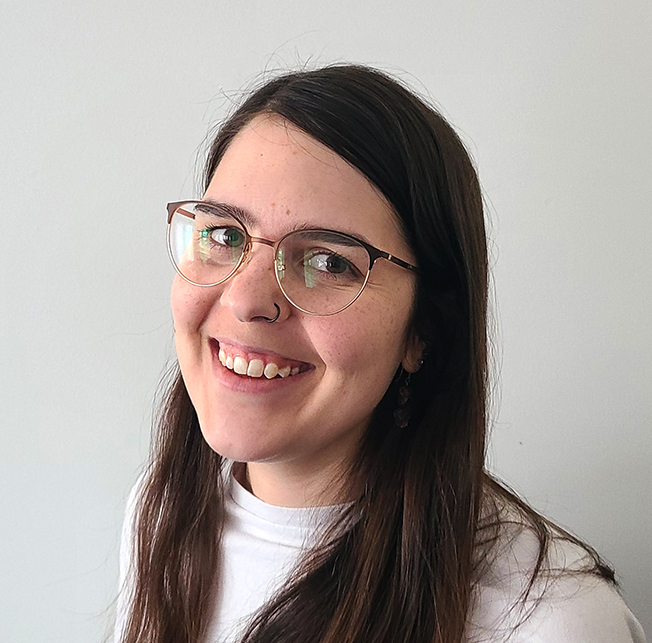
What goes into creating complex visual effects shots? In this Paths interview, Samuel Locas-Meilleur, layout artist at Cinesite, shares his journey from runner to layout artist, his passion for visual effects, and his advice for aspiring artists.
Can you start by giving an overview of what your job involves and your areas of responsibility?
The Tracking, Matchmove, Rotomation, and Layout department is usually the first department to receive the shots from the client. We start with Tracking, which involves analyzing the camera movements in a shot and reconstructing an identical virtual camera in 3D. This allows us to accurately integrate 3D elements into the live-action footage. In Rotomation, we recreate the movements of filmed elements in 3D, ensuring that physical interactions and performances feel as accurate and believable as possible. Finally, in Layout, we act as the director of a 3D shot. We build the overall structure and composition of the shot, establishing the cameras, characters, and key elements that will serve as the foundation for the departments that follow.
What’s your favourite thing about your job?
What I enjoy most is seeing a shot come together and fully take shape. The most rewarding moment is seeing the final version, especially when it’s a complex shot. It’s a mix of relief, satisfaction, and a real sense of accomplishment.rocess.
Who or what inspired you to get into your chosen career, or inspires you now every day?
Star Wars and The Matrix were my two biggest sources of inspiration from an early age. I’ve always been passionate about film, and I knew very early on that I wanted to work with images and bring stories to life through visual effects.
I was also inspired by online content creators, particularly through tutorials and educational content.
Do you want to give a shout-out to where you studied after school and what you found most useful to learn?
I’m self-taught. I started by experimenting with Photoshop and After Effects, and then began creating short films. I had the opportunity to join Cinesite as a runner and gradually worked my way up within the studio: first in Tracking, then Rotomation, followed by Layout, and eventually into my current role as a Lead.
What’s your favourite show that you’ve worked on at Cinesite and why?
My favorite project is Peter Pan, which was also the first project where I took on greater responsibilities as a Lead. I had the opportunity to take on a more decision-making and creative role, providing more detailed artistic input, working on full-CG shots, and overseeing certain outsourced tasks. Spider-Man: No Way Home was also a particularly memorable project because it was very demanding and time-consuming, but I was very proud of the final result.
Any advice for someone interested in getting into the same role as you, or advice that someone else has given to you, which you have found useful?
Looking back, one piece of advice I would give is to take the time to review and document your work. This helps you identify details more effectively, improve your efficiency, and ultimately increase the quality of your work.
I would also encourage people not to hesitate to take on more projects and create more content in order to build a stronger and more diverse portfolio.
What’s the best thing about working at Cinesite?
What I appreciate most is the company culture, which values teamwork and collaboration. Cinesite offers a stable and supportive work environment while encouraging and supporting employees in their career development.